
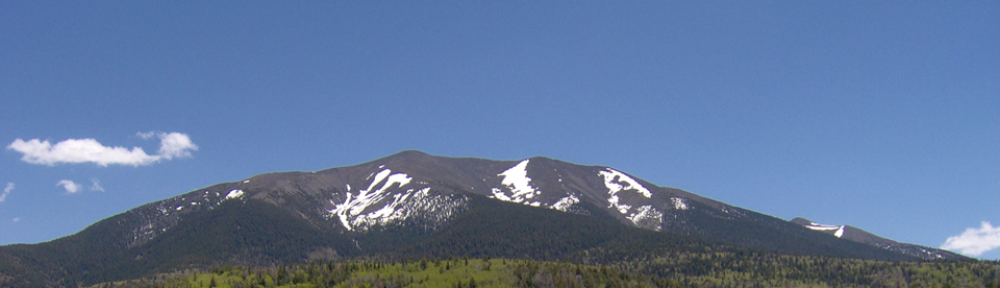
We study diverse topics, united by the common threads of ecology, evolutionary biology, conservation and molecular genetics. In particular we are interested in studies focusing on:
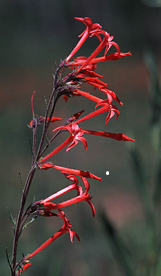
1) The ecology and evolutionary biology of species interactions with an emphasis on overcompensation (enhanced fitness following herbivory). We are currently using QTL mapping, microarray and RNA-seq analyses, knock-out mutants and complementation studies to understand the molecular basis of increased seed production following herbivory. We are also studying the role mycorrhizal fungi play in growth compensation.
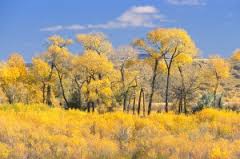
2) The role of somatic mutation and chromosome amplification in allowing an individual plant to evolve and adapt to environmental challenges.
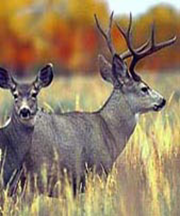
3) The molecular interdependence of plant tolerance and chemical resistance following ungulate herbivory.
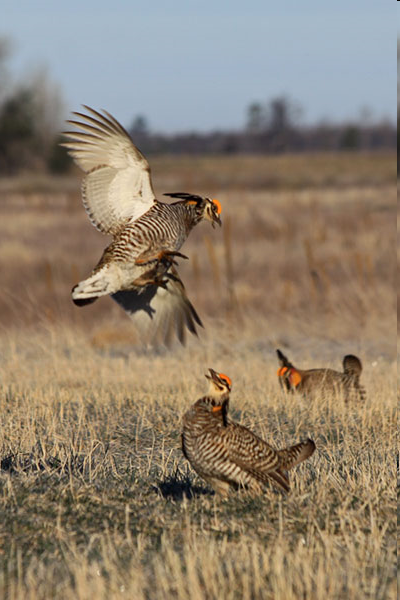
4) Conservation genetics, focusing on the ecological and evolutionary consequences of small population size. We have recently completed the first genome-wide assessment of inbreeding depression using array data.
5) Phylogeographic analys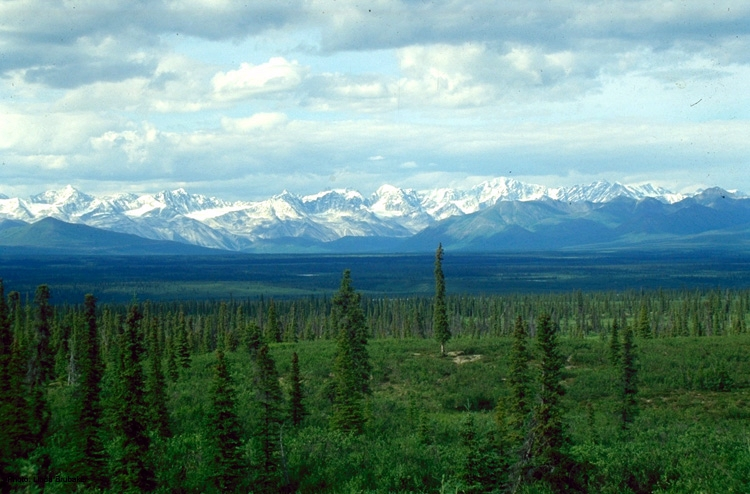 es with a focus on understanding how organisms have responded to anthropogenic, geologic and climatic history. Using chloroplast DNA, we have recently established that there was a boreal refugium for spruce in Alaska at the height of the last glacial maximum supporting Hulten’s 70 year old hypothesis of a Beringian refugium.