
I arrived at the UIUC in August of 2007 to continue research on ecosystem carbon and nitrogen budgets in the Genomic Ecology of Global Change theme of IGB, but I am also lecturing undergraduate students about the wonders of life science in the Department of Plant Biology.
I am an ecosystem ecologist that studies biogeochemical questions related to climate change and eco-physiology. My research interests focus on understanding the effects of human activity on ecological processes by describing how plant-soil-microbe processes change in response to land use and exposure to atmospheric pollutants.
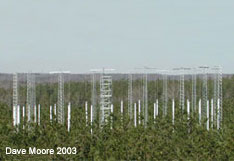
I am working on two major projects here at UIUC. The first is an investigation into the causes of NPP decline in aging forests. Specifically, I aim to describe how forest nutrient cycling and physiology respond to age and climate as a forest transitions from early successional pine to a late successional hardwood community.
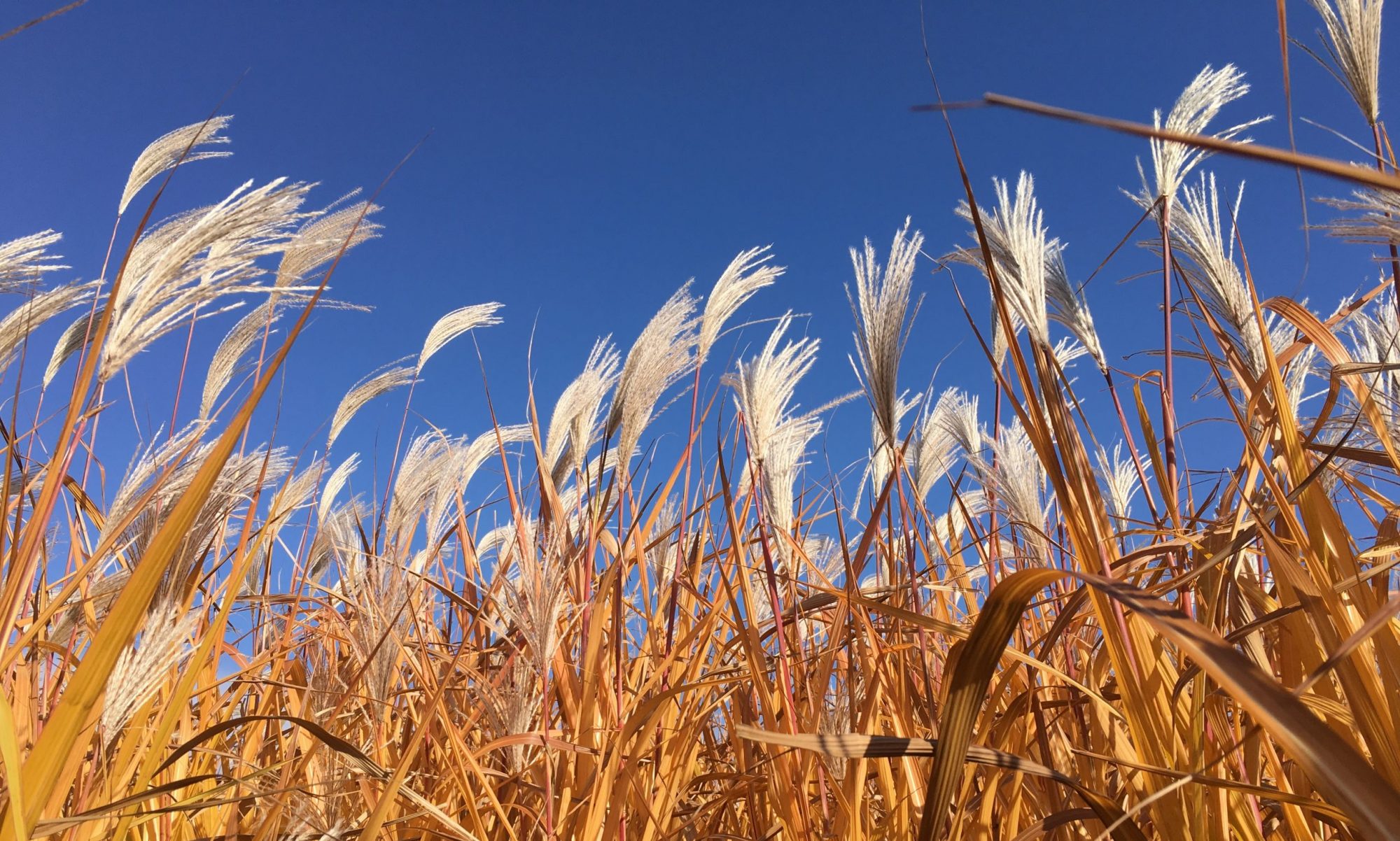
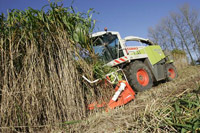
The second project I am involved with at UIUC is a study of the ecological implications of growing biofuel crops. I study this in the broad sense by using life cycle analyses to trace the energy and carbon budgets through the production of biofuels. I also study N and C cycling with a more detailed approach that employs an ecosystem process model to investigate the soil-microbe-plant interactions that drive differences in productivity among biofuel cropping systems. This modeling effort is informed by experiments designed to trace source N with isotope labels and to expose microbe-plant community interactions that drive changes to nutrient cycling.
My recent research at West Virginia University explored the role of Central Appalachian hardwood forests in the global carbon (C) balance during a century of regeneration with changing land use and atmospheric pollution. I explored the effects of N-saturation on processes that control productivity using a model that I modified to reflect conditions associated with Stage 2 of N-saturation. I then applied the model to forests that have experienced different harvest histories during the last century of forest re-growth. I found that carefully planned harvests, such as diameter-limit cutting and single tree selection cutting, can stimulate ecosystem productivity but long-term carbon sequestration rates are not significantly different from a forest left undisturbed for 100 years. I estimated that forest carbon storage is stimulated up to 20% by N saturation, a process that varies in intensity across the region and may be correlated with a transition in tree species composition. Eventually, I plan to link an ecological model of forest productivity in West Virginia to an economic model of harvest decisions made by landowners in the state so I can project how societal changes impact ecological processes that control terrestrial carbon storage.
|